


Casino tournament formats explained
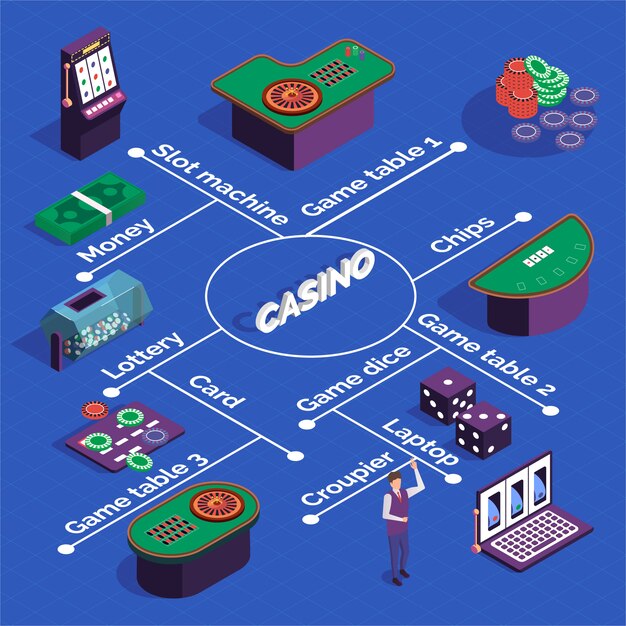
Choose the right tournament format to maximize your gaming experience. Each type of casino tournament offers unique rules and structures, influencing your strategy and potential winnings.
In the exciting world of casino tournaments, understanding the nuances of various formats can significantly enhance your gaming experience. The freezeout tournament format, where players cannot re-enter once eliminated, emphasizes the importance of chip management and strategic betting. Meanwhile, re-buy tournaments provide players with the flexibility to purchase more chips, catering to those who enjoy taking calculated risks. Bounty tournaments introduce an additional layer of competition as players earn rewards for eliminating opponents. To delve deeper into these tournament strategies and gain insights, make sure to check out winbeastcasino-online.com for expert tips and guidance.
Consider the classic format: the freezeout tournament. Here, each player starts with a fixed number of chips and faces elimination upon losing them all. This straightforward structure encourages aggressive play, as you know that every decision could lead to your exit or advancement.
Next, explore the re-buy tournament format. Players can buy additional chips after losing their initial stack. This option allows more flexibility, drawing in players who prefer to take risks without the fear of immediate elimination. It often leads to larger prize pools but requires careful bankroll management.
Another popular choice is the bounty tournament. In this format, a cash reward is placed on each player's head. Eliminating opponents not only eliminates them from the competition but also provides extra incentives, fostering a more dynamic and competitive atmosphere.
Lastly, consider satellite tournaments. These events offer entry into larger competitions at reduced costs, making them a pragmatic choice for those looking to compete at higher levels without a significant financial commitment. Understanding each format's dynamics is key to developing a winning strategy.
Analyzing the Structure of Sit-and-Go Tournaments
Choose a structure that suits your playing style when participating in Sit-and-Go (SNG) tournaments. Typically, these events start once a predetermined number of players register, commonly ranging from 6 to 10 participants. Understanding the blinds and payout structure will enhance your strategic decisions.
Blinds increase at regular intervals, which creates urgency and affects gameplay. Familiarize yourself with the standard blind levels, which often double after specific time frames. A typical structure may look like this:
| Level | Blinds | Duration |
|---|---|---|
| 1 | 10/20 | 10 minutes |
| 2 | 15/30 | 10 minutes |
| 3 | 25/50 | 10 minutes |
| 4 | 50/100 | 10 minutes |
| 5 | 100/200 | 10 minutes |
Pay attention to the payout structure as it often influences your risk tolerance. The majority of SNGs reward the top finishers, with common distributions such as:
| Position | Payout Percentage |
|---|---|
| 1st | 50% |
| 2nd | 30% |
| 3rd | 20% |
Adjust your strategy based on the stage of the tournament. Early stages focus on building a chip stack without risking elimination. As blinds escalate, shift towards a more aggressive approach, leveraging your stack size to pressure opponents.
Review your opponents' tendencies. Tight players can be exploited in later stages, while aggressive players may force you to adapt your play style. Always remain versatile, adjusting to both the structure and your competitors to maximize your chances of a favorable outcome.
Exploring Multi-Table Tournament Strategies
Focus on position at the table. Early positions require tighter play, while late positions allow for more aggression. Use this to your advantage by stealing blinds when in position.
Adjust your style based on stack sizes. Short stacks need to maximize their chip value by taking calculated risks, while big stacks can afford to apply pressure on opponents. This dynamic shifts throughout the tournament as players' stacks fluctuate.
Monitor the table dynamics closely. Identify weak players and exploit their tendencies. Target those who play too many hands or fail to adjust their strategy to changing blind levels.
Be prepared for increases in blinds and antes. As levels rise, adjust your strategy to remain competitive. If you're accumulating chips, consider how to maintain your stack and protect it from aggressive players.
Pay attention to your opponents’ bet sizing. Large bets may indicate strength, while smaller ones may signal weakness. Use this information to make informed decisions and to discern your opponents' ranges.
Utilize ICM (Independent Chip Model) to evaluate your chip value, especially near the bubble phase. Stay aware of the implications of your tournament life relative to shorter stacks and adjust your aggression accordingly.
Practice patience and discipline. Many players become overly aggressive as blinds rise. Maintain composure; exploit opponents who make hasty decisions under pressure.
Finally, adapt your strategy as the tournament progresses. Early rounds may allow for more speculative plays, while late stages require a more conservative, calculated approach. Each phase presents unique challenges and opportunities.
Understanding the Rules of Freezeout Tournaments
Freezeout tournaments require players to buy-in once, and elimination occurs when they lose all chips. Players can't re-enter after being knocked out, adding a layer of strategy to each decision about chip management and betting. It’s important to stay vigilant and adjust your gameplay as players get eliminated.
Typically, each player receives a fixed amount of chips at the start, with blinds increasing at set intervals. Knowing the blind structure helps you gauge how aggressive you need to be; early rounds allow for more conservative play, while later rounds demand bolder moves as the chip dynamics shift.
Position at the table influences your strategy significantly. Early positions require tighter play since you face multiple opponents who may raise. In contrast, being in a late position opens opportunities to steal blinds as players become more cautious.
Pay attention to your opponents’ tendencies. Identifying tight or loose players can provide insights into how to play against them. Targeting aggressive players or capitalizing on their mistakes can give you a competitive edge.
Bluffing has its place in freezeout tournaments, especially when the pot is sizable. However, consider your table image and opponents' likelihood of calling your bluff. Effective bluffing can increase your chip stack, but it can also backfire if done recklessly.
Money matters as you progress through the tournament. The payout structure often rewards the top tier of finishers, encouraging players to alter strategies based on their chip counts in relation to the prize pool. Knowing what positions guarantee a payout helps you decide when to risk your chips.
Adaptability remains crucial throughout the tournament. The ability to switch between aggressive and conservative play, based on chip stacks and player behavior, will set you apart from others. Continuously assess the game flow and adjust to maintain an upper hand.
Lastly, keep your emotions in check. Focus on the strategies instead of the results of individual hands. Emotional discipline enhances decision-making and can lead to better outcomes in the long run.
Key Differences in Rebuy and Add-On Tournaments
Rebuy and add-on tournaments provide players with unique strategies and opportunities. Understanding the differences is crucial for maximizing your chances of success.
In rebuy tournaments, players can purchase additional chips after losing their initial stack during a specific time frame. This allows for aggressive play early in the tournament. Generally, unlimited rebuys are permitted within the first few blind levels. Key points include:
- Flexibility: Players have the option to regain chip count, adding a layer of excitement.
- Risk Assessment: Players can risk more during early rounds, knowing they can re-enter the game.
- Increased Prize Pool: More players rebuy, enhancing the overall prize pool.
Add-on tournaments, on the other hand, offer a chance to purchase extra chips at designated times, usually at a single point in the tournament. Upon reaching that point, all players, regardless of their chip count, can opt for an add-on. Important aspects include:
- Strategic Timing: Players must decide the best moment to add chips, based on their current standing.
- Level Playing Field: All participants have equal opportunity for extra chips, promoting fairness.
- Predictable Costs: Players know exactly how much they need to invest for the add-on, aiding in bankroll management.
Both formats encourage diverse approaches. Players utilizing rebuys should remain aggressive early, while those in add-on tournaments should consider their position before investing in additional chips. Your strategy should reflect the unique rules of each format, ensuring you optimize your performance and enjoy the experience.
Examining the Blowout Tournament Format
The Blowout Tournament Format offers an exciting twist for players seeking fast-paced action and large payouts. Players enter with a single buy-in, and the tournament ensures a substantial prize pool, often drawing a large field of competitors. The stakes are high, and the excitement builds as players compete for the top spots.
In this format, matches usually progress rapidly, with aggressive play encouraged to maximize chip accumulation. Players should adopt a balanced strategy, blending aggression with careful hand selection to maintain an edge over opponents.
It's beneficial to familiarize yourself with the blind structure, as it dramatically influences the gameplay flow. The blinds increase rapidly, compelling players to adjust their strategies accordingly. This format rewards those who can adapt quickly to shifting dynamics.
Understanding payout structures is crucial. In Blowout Tournaments, significant payouts often extend to the top finishers, incentivizing players to stay engaged until the final hand. Keep an eye on the progression of payouts as the player pool decreases–this can shift your approach in critical moments.
Prepare for intense competition. With multiple players vying for the top prize, each hand becomes vital. Cultivating psychological resilience can be as important as technical skills, helping you maintain focus under pressure.
Consider utilizing tools and resources for live tracking to stay informed of your chip count and position relative to the field. Awareness of your standing can guide your betting strategies and risk assessment as you make decisions.
Ultimately, embrace the thrill of the Blowout Tournament Format. Energetic gameplay and the pursuit of significant rewards create a unique atmosphere that can enhance your tournament experience and potential winnings.
Assessing the Impact of Speed on Turbo and Super Turbo Tournaments
Choosing Turbo or Super Turbo formats requires understanding how speed influences gameplay. Turbo tournaments feature rapid blind increases, typically every 5-10 minutes, while Super Turbo formats escalate blinds even faster, often within 3-5 minutes. Players must adapt their strategies accordingly.
Aggressive play becomes crucial in these fast-paced environments. Identify opportunities for stealing blinds and leverage position effectively. With limited time to wait for strong hands, adjust your range to include more speculative hands. Many players tend to tighten their ranges, which can be exploited.
Pay attention to stack sizes. In Turbo tournaments, average stack sizes decrease quickly, leading you to reassess your decisions sooner. On the other hand, Super Turbo formats often leave little room for maneuvering, pushing players toward all-in situations much earlier. Short-stacked players must define their push/fold ranges accurately.
Utilize tournament dynamics to your advantage. Observe your opponents’ tendencies and adapt. Many players will overvalue their hands in these formats, leading to mistakes. Capitalize on this by applying pressure when appropriate.
Finally, mastering the clock is key. Make decisions swiftly to avoid time penalties. Being aware of your surroundings and the stages of the tournament can provide crucial edge, especially in Super Turbo formats. Reacting quickly can lead to advantageous situations.